
This is a genuine health and safety topic, not just a gardening tip. Urine and composted solids carry very different levels of risk, and treating them the same way is the most common mistake people make. This guide is general safety information — always check your local regulations, which vary and sometimes explicitly restrict or prohibit using human waste output as fertilizer regardless of treatment method.
If you take away only one thing from this page, make it this: err toward more caution than the minimum guidance suggests, especially with solid waste, and never treat a “probably fine” outcome as good enough when the downside is a genuine health risk to yourself or your family.
Urine and Solids Are Not the Same Risk Category
This is the single most important distinction on this entire page. Urine from a healthy person is largely pathogen-free at the point it leaves the body — the real risk comes from potential fecal contamination during collection, not from urine itself. Solid waste, by contrast, is where the meaningful pathogen risk actually lives, and it requires a fundamentally more cautious approach. Treating both the same way — either being overly cautious with urine or, far more dangerously, being too casual with solids — is the most common and most consequential mistake in this whole topic.
Keep this distinction in mind as you read the rest of this guide — nearly every mistake we came across in researching this topic traced back to someone applying urine’s relatively low-risk profile to solid waste’s decision-making, rather than treating them as the two separate risk categories they actually are.
Using Urine as Fertilizer
The World Health Organization’s 2006 guidelines state that urine from a single household can be used on home gardens without pretreatment, based on its typically low pathogen load. That said, several credible sources recommend a more cautious approach for broader peace of mind, particularly when urine comes from more than one household or an unknown source:
- Storage method: Store urine in a sealed, airtight container at 68°F (20°C) or higher for one to six months, depending on the crop it will be used on — longer storage for food crops, shorter for ornamental plants. This allows the naturally rising pH and ammonia levels in stored urine to destroy pathogens over time. This is the WHO-recommended approach, though it is not officially recognized by the US EPA as a standard treatment method.
- Pasteurization: Heating urine to 176°F (80°C) for 1.5 minutes destroys pathogens far faster than storage and is the method officially recognized by the EPA. This requires equipment most home users don’t have on hand, but it’s the faster, more definitively verified option if you have access to it.
When applying, dilute urine with water at a ratio between 1:1 and 1:10 depending on the specific plants and application context — full-strength urine is high enough in salts and nitrogen to potentially harm plant roots if applied undiluted. Urine is also genuinely useful for boosting nitrogen in a carbon-heavy compost pile (sawdust, dead leaves, straw) rather than only being used as a direct plant fertilizer.
Using Composted Solids as Fertilizer
This is where caution matters most. Every credible source on this topic — including the widely referenced Humanure Handbook methodology — converges on the same core guidance: composted human solid waste needs a genuinely long cure time, and even after that time, you cannot verify with certainty at home that it’s free of pathogens without laboratory testing.
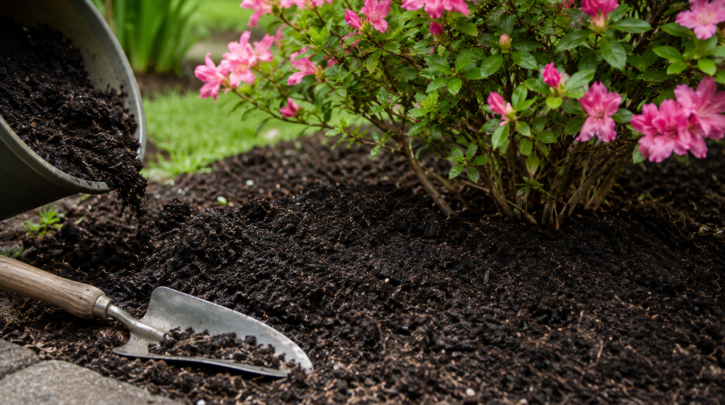
- Minimum cure time: Most sources recommend at least one to two years of total curing time from initial deposit to safe-to-handle finished compost, achieved through a combination of time, adequate carbon material, and periodic heat generation within the pile that helps destroy pathogens.
- Never use on edible plants. Regardless of cure time, the consistent, repeated recommendation across every credible source we reviewed is to restrict finished humanure compost to ornamental, non-edible plants — never vegetables, fruit, or anything intended for human consumption.
- Bury it under soil cover. Many jurisdictions that address this topic explicitly require finished humus to be buried under at least 12 inches of soil, even when used only around ornamental plants.
The reasoning behind this caution is straightforward: unlike large-scale municipal biosolid treatment facilities, which operate at controlled high temperatures and are regularly tested by regulators to confirm pathogens are below detectable levels, a home composting setup has no equivalent verification. Even careful, well-managed home composting can occasionally retain trace pathogens after a year or more, according to available research — a risk that’s genuinely low but not zero, which is exactly why edible plants specifically are treated as off-limits rather than a judgment call.
Why Health Matters Here Specifically
The risk level scales directly with the health of whoever is producing the waste — a single healthy household composting its own waste carries meaningfully lower risk than waste from an unknown or mixed source, since pathogen presence is tied to whether someone in the source population is actually carrying a relevant illness. This is exactly why sharing a bathroom with someone who’s sick is a bigger practical infection risk than using properly handled compost or urine from a healthy household — but it also means the “low risk” framing for a healthy single household doesn’t automatically apply if that changes, even temporarily.
Why Home Composting Can’t Match Municipal Treatment
It’s worth understanding specifically why the guidance here is more conservative than what you might read about municipal biosolid treatment being used on farmland. Large-scale facilities process waste at controlled, consistently high temperatures for defined periods, then test the output for specific pathogen indicators before it’s approved for any agricultural use — a heavily regulated, monitored process with real accountability if something goes wrong. A home composting toilet setup, even one run carefully and correctly, has no equivalent testing step. Temperatures within a home compost pile vary with the seasons, the specific mix of material, and how consistently carbon additive was used, none of which is monitored the way a regulated facility’s process is. This isn’t a reason to avoid composting your own waste — it’s a reason to apply the more conservative guidance in this article rather than assuming home conditions can match a regulated facility’s verified safety margin.
Signs Your Compost Is Not Ready, Regardless of Time Elapsed
Time alone doesn’t guarantee finished, safe compost — the material also needs to show physical signs of complete breakdown. Finished humanure compost should be dark, crumbly, and smell like ordinary earth, with no recognizable trace of the original material. If your compost still has an ammonia or sour smell, visible undecomposed matter, or a wet, clumped texture after your planned cure time, it needs more time regardless of how many months or years have technically elapsed since it was deposited. Treat the recommended minimum cure times in this guide as a floor, not a guarantee — actual readiness depends on your specific pile’s conditions, and a pile that’s been poorly managed (too wet, insufficient carbon, inadequate mixing) may need meaningfully longer than the general guidance suggests.
Check Local Regulations Before You Start
Beyond the safety science, many jurisdictions have their own explicit rules about using human waste output as fertilizer, sometimes independent of how long it’s been composted or how it’s applied. This varies enough by state and county that it’s worth checking directly, in the same way we recommend for installation permitting in our legal requirements and permits by state guide — treat “is this legal to do at all in my area” as a separate question from “is this safe to do,” since the answer to each can differ.
Related Guides
Frequently Asked Questions
Is it ever safe to use composted humanure on vegetables?
The consistent, cautious recommendation across credible sources is no — restrict finished humanure compost to non-edible, ornamental plants regardless of how long it’s been cured, since home composting can’t verify pathogen-free status the way a regulated municipal facility can.
Does adding lime to compost speed up safe curing?
Some methods use lime specifically to help destroy pathogens over a defined rest period, but even sources that describe this method still recommend against using the result on edible plants, out of the same caution about unverifiable pathogen status at the household level.
Can I use undiluted urine directly on plants?
Generally not recommended — full-strength urine’s salt and nitrogen concentration can damage plant roots. Diluting between 1:1 and 1:10 with water, depending on the plant and context, is the standard approach.
What if someone in my household is sick — should I stop using urine or compost as fertilizer temporarily?
This is a reasonable precaution, since the low-risk framing for household urine and compost specifically assumes a generally healthy household. If someone is currently ill, it’s sensible to pause fertilizer use from that source until they’ve recovered, particularly for anything with a shorter treatment or storage time.