
For a cabin or off-grid home without existing sewer access, this is often the real decision — not which composting toilet to buy, but whether to install one at all instead of a conventional septic system. The cost gap is larger than most people expect, but it’s not the only factor worth weighing.
How Each System Works
Understanding this basic mechanical difference is worth a moment before diving into the cost and suitability comparisons below, since it explains why the two systems have such different site requirements in the first place.
A septic system treats all of a home’s wastewater — toilets, sinks, showers, everything — by settling solids in a buried tank, then releasing the remaining liquid effluent into a drain field where soil naturally filters out pathogens as it percolates downward. It requires suitable soil (confirmed by a perc test), a permitted tank and drain field sized to your household, and periodic pumping to remove accumulated solids.
A composting toilet handles only toilet waste, separating it from water entirely and relying on aerobic decomposition rather than soil filtration. It does not replace the need to handle greywater from sinks and showers, which in most jurisdictions still requires some form of approved system — often a simpler and cheaper one than a full septic system, but rarely nothing at all.
Cost Comparison
| Factor | Composting Toilet | Conventional Septic System |
|---|---|---|
| Upfront cost | $650–$2,000 for the unit itself | $3,000–$12,000 for a conventional system; $10,000–$25,000+ for engineered systems (mound, aerobic, sand filter) |
| Site evaluation / permits | Generally simpler; still needs permitting for a permanent install | Perc test (~$1,300) plus permit fees, often $500–$2,300 combined |
| Ongoing maintenance | Regular emptying (weekly liquids, every few weeks solids); carbon additive cost | Periodic professional pumping (every 3–5 years typically), inspections |
| Still needed alongside it | Greywater handling for sinks/showers in most jurisdictions | Nothing additional — handles all wastewater |
| Site suitability requirements | Minimal — doesn’t depend on soil percolation | Requires suitable soil; poor soil conditions push you into a far more expensive engineered system |
The Site Suitability Factor Most People Miss
Septic systems only work where the soil can actually absorb and filter effluent at an adequate rate, which is exactly what a perc test measures. On land with poor drainage, high water tables, or bedrock close to the surface — common in many off-grid and mountain properties — you may not qualify for a conventional gravity-fed system at all, and instead need a mound system, aerobic treatment unit, or sand filter system, all of which run considerably more than a conventional install. A composting toilet sidesteps this constraint entirely for the toilet portion of your wastewater, which is exactly why it shows up so often specifically on land where a septic system would be difficult or extremely expensive to install.
Environmental Considerations
A properly installed and maintained septic system is a genuinely effective wastewater treatment method, but it depends on ongoing maintenance — skipped pumping is the leading cause of septic failure, and a failed drain field can contaminate nearby groundwater or surface water. A composting toilet removes toilet waste from that system’s water cycle entirely, which reduces both water use (a composting toilet can eliminate several thousand gallons of water use per person per year that would otherwise go toward flushing) and the volume your greywater system needs to handle. Neither system is inherently “greener” in every respect — a composting toilet still requires proper handling of finished compost per local regulation, and a septic system, properly maintained on suitable soil, is a mature and well-understood technology with a strong safety track record.
Choose a Septic System If:
- Your soil passes a perc test for a conventional system, keeping costs toward the lower end of the range
- You want a single system that handles all wastewater without needing a separate greywater solution
- You’d rather deal with periodic professional pumping every few years than more frequent hands-on emptying
Choose a Composting Toilet If:
- Your soil doesn’t support a conventional septic system, and an engineered alternative would be prohibitively expensive
- You want the lowest possible upfront sanitation cost and are willing to handle a simpler greywater system separately
- You want to minimize water use significantly, particularly relevant on properties with limited well capacity
What a Perc Test Actually Involves
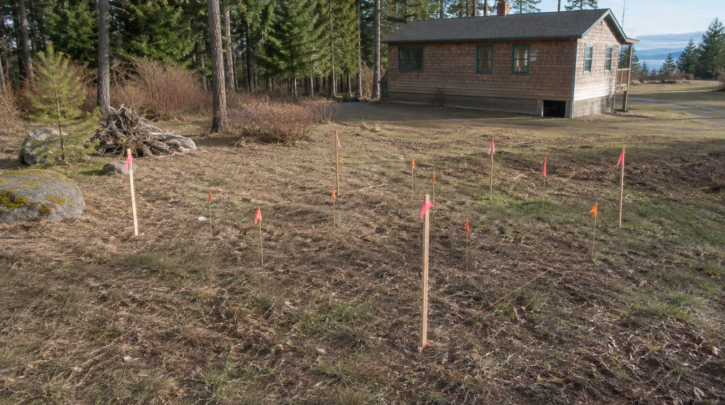
Since soil suitability is such a central factor in this decision, it’s worth understanding what a perc (percolation) test actually measures before you commit to either path. A licensed tester digs one or more holes to a specified depth, fills them with water, and measures how quickly the water level drops — a direct measurement of how well your soil can absorb and filter effluent over time. Land that percs well supports a straightforward, less expensive conventional septic system; land that percs poorly, or has a high water table or shallow bedrock, pushes you toward a considerably more expensive engineered system, or makes a composting toilet plus a simpler greywater solution the more financially sensible path. If you don’t already know your land’s perc test results, it’s worth getting one done early in your planning process specifically because it changes which of these two paths actually makes financial sense for your property.
What Owners Who’ve Made the Switch Actually Report
Among off-grid and cabin owners who’ve chosen a composting toilet specifically over a septic system, the most consistent theme is that the upfront cost savings were the deciding factor, but the water savings became the benefit they valued most once actually living with the system day to day — particularly on properties with a limited-output well. The most common adjustment period involves getting used to the more frequent, hands-on emptying routine compared to the “install it and forget it for years” mental model a septic system encourages; several owners specifically mention that this adjustment took a few weeks before it became routine rather than feeling like a chore. Owners who chose a composting toilet primarily to avoid an expensive engineered septic system on poor soil report high satisfaction, largely because the alternative they were comparing against was so much more expensive.
Can You Use Both?
Yes, and this is more common than people expect — some homeowners install a composting toilet specifically to reduce load on an existing or smaller septic system, extending time between pump-outs and allowing a smaller, cheaper drain field to handle greywater alone rather than combined toilet-and-greywater volume. This hybrid approach is worth discussing directly with your septic designer if you’re building new, since it can meaningfully reduce the drain field size — and cost — your property actually needs.
A Note on Combining This Decision With Building Elsewhere on Your Property
If you’re planning multiple structures on the same off-grid property — a main cabin plus a guest cabin, workshop, or bunkie — it’s worth thinking about sanitation across the whole property rather than deciding fresh for each building. A single, properly sized septic system serving multiple structures is sometimes more cost-effective than several small individual systems, but it also concentrates your risk into one system that every building depends on. Composting toilets, by contrast, let you decide independently per structure — a guest cabin used only a few weekends a year might reasonably get a smaller, cheaper composting toilet while your main residence gets a larger Sun-Mar Excel or a septic system, without needing to connect them into one shared system at all. This flexibility is worth factoring into your overall property planning, not just your first building’s decision in isolation.
Related Guides
- Best composting toilets for cabins
- Legal requirements/permits by state
- Best composting toilets for off-grid homes
Frequently Asked Questions
Does a composting toilet completely eliminate the need for a septic system?
Not entirely in most cases — you’ll still need some approved method for greywater from sinks and showers, though it can often be a simpler and cheaper system than one sized to handle combined toilet and greywater volume.
Is a composting toilet cheaper over a 10-year period, not just upfront?
Generally yes for the toilet-specific portion of your wastewater costs, particularly if your land would otherwise require an expensive engineered septic system due to poor soil. Ongoing carbon additive and more frequent hands-on emptying are real costs, but they’re modest compared to septic pumping and potential drain field repair costs over the same period.
Will a composting toilet affect my property’s resale value compared to a septic system?
It can go either way depending on your buyer pool — off-grid and homestead-oriented buyers often view it neutrally or positively, while buyers expecting conventional infrastructure may see it as a downside. This is worth weighing if resale to a general market is a near-term consideration for the property.
Does my homeowner’s or property insurance treat the two systems differently?
Policies vary by insurer, but a properly permitted system of either type generally shouldn’t create coverage issues — the bigger risk is an unpermitted system of either type, which some insurers may flag during underwriting or claims review. This is one more reason permitting matters beyond just legal compliance.